










Selecting the right steel plankfor scaffolding is a crucial purchasing decision. The plank is the literal foundation of worker safety and material handling at height, and among its specifications, the thickness of the steel is arguably the most critical factor.
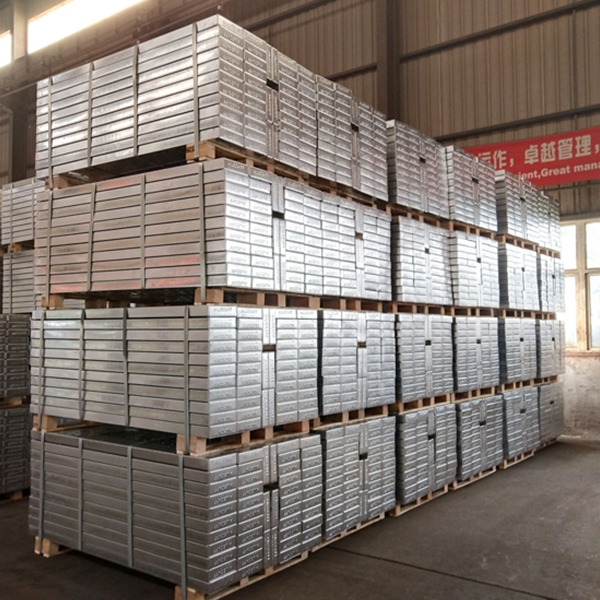
Choosing the correct thickness is a balancing act between load-bearing capacity, safety, and cost. So, what is the "best" thickness? The answer is not a single number but a range that depends on the specifics of your project, generally falling between 1.0mm and 2.0mm.
Understanding Thickness in Practice
The market offers a variety of thickness options to cater to different project needs. Common specifications include 1.0mm, 1.1mm, 1.2mm, 1.5mm, and 1.8mm. Here is how to interpret them from a buyer's perspective:
Standard Duty (1.0mm – 1.2mm):
This is the most common and cost-effective range, widely used for general construction and maintenance. A plank with a 1.2mm thickness, for example, is a versatile workhorse that balances weight, cost, and performance for typical walking and light material support.
Heavy Duty (1.5mm and above):
For projects requiring the transport of heavy materials, dense equipment, or a higher safety margin, a thickness of 1.5mm or 1.8mm is preferred. A 1.8mm plank offers significantly greater load-bearing capacity and resistance to deformation, making it ideal for demanding industrial and infrastructure projects.
The Buyer's Decision Matrix
The choice of thickness, combined with other factors like plank width, height, and material grade (e.g., Q235 steel is the industry standard for its balance of strength and ductility), is a trade-off between several key factors:
Load Capacity: A thicker plank inherently supports a higher load and is less prone to bending or permanent deformation over time.
Durability and Service Life: Increased thickness provides better resistance to the wear and tear of daily use, impacts, and general fatigue. A 1.8mm plank will outlast a 1.0mm one under the same conditions.
Weight and Manageability: Thicker steel is heavier. While a 1.2mm plank is easier for workers to handle, a 1.8mm plank requires more effort to position but offers a longer lifespan.
Cost: As thickness increases, so does the material cost and, consequently, the purchase price.
For the vast majority of projects, a 1.2mm galvanized steel plankoffers the best balance. It meets standard safety and performance requirements while remaining manageable and cost-effective. However, for projects with exceptional loads or where a longer service life is paramount, investing in a thicker 1.5mm or 1.8mm option is a sound strategic decision that will pay off in reduced maintenance and replacement costs.
ADTO Group: A Benchmark in Manufacturing
For buyers, the manufacturer's capabilities are as important as the specification. ADTO Group has established itself as a global leader in scaffolding plank manufacturing, offering products that meet and exceed industry standards.
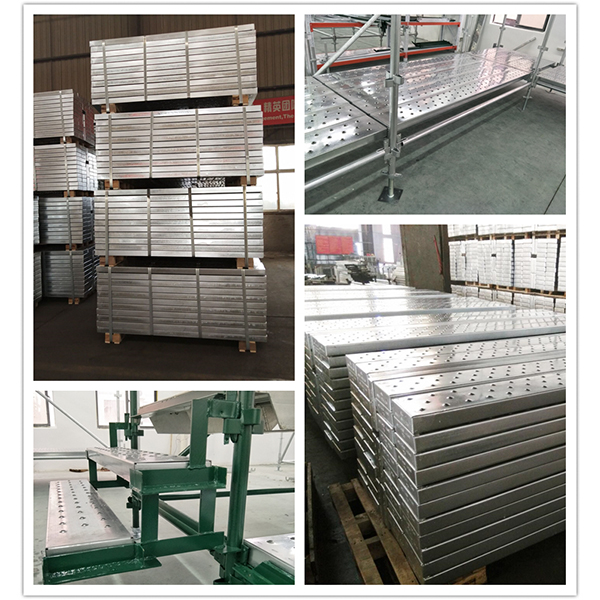
Manufacturing Strength:
ADTO is a powerhouse in plank production, operating 6 dedicated steel plank production lines with a monthly output of 6,000 tons. This immense capacity ensures that even large-scale orders can be fulfilled reliably and on time.
Unmatched Scale and Expertise:
For an impressive 8 consecutive years, ADTO has been the No.1 exporter for scaffolding planks. This consistent market leadership is a testament to the quality, reliability, and global acceptance of their products.
A Product for Every Application:
ADTO can provide an extensive range of steel planks, including both with and without hooks, in various widths (up to 500mm) and materials to suit different scaffolding systems. In fact, their production includes 1.8mm thickness planks for heavy-duty applications and the more standard 1.2mm planks, demonstrating their capability to meet diverse project needs.
Conclusion
Selecting the "best" thickness for a scaffolding steel plank is a strategic decision. The 1.2mm plank is the industry's versatile standard, while 1.5mm and 1.8mm options provide enhanced durability for demanding projects. A comprehensive understanding of your project's specific load requirements, coupled with the durability and safety margins offered by different thicknesses, is essential for a sound investment.
When choosing a supplier, ADTO Group's position as the world's largest exporter and its immense production capacity provide significant confidence. Their ability to deliver high-quality planks in various thicknesses, such as the robust 1.8mm option alongside the standard 1.2mm, makes them a partner of choice for buyers demanding quality and reliability.

