










When purchasing scaffolding materials for construction projects, understanding product standards is essential for ensuring quality, compatibility, and safety. Among the most commonly referenced specifications in the scaffolding industry are EN39 and BS1139. Both are associated with steel scaffold tubes and British standard scaffolding applications, but their scopes, technical requirements, and historical development are different.
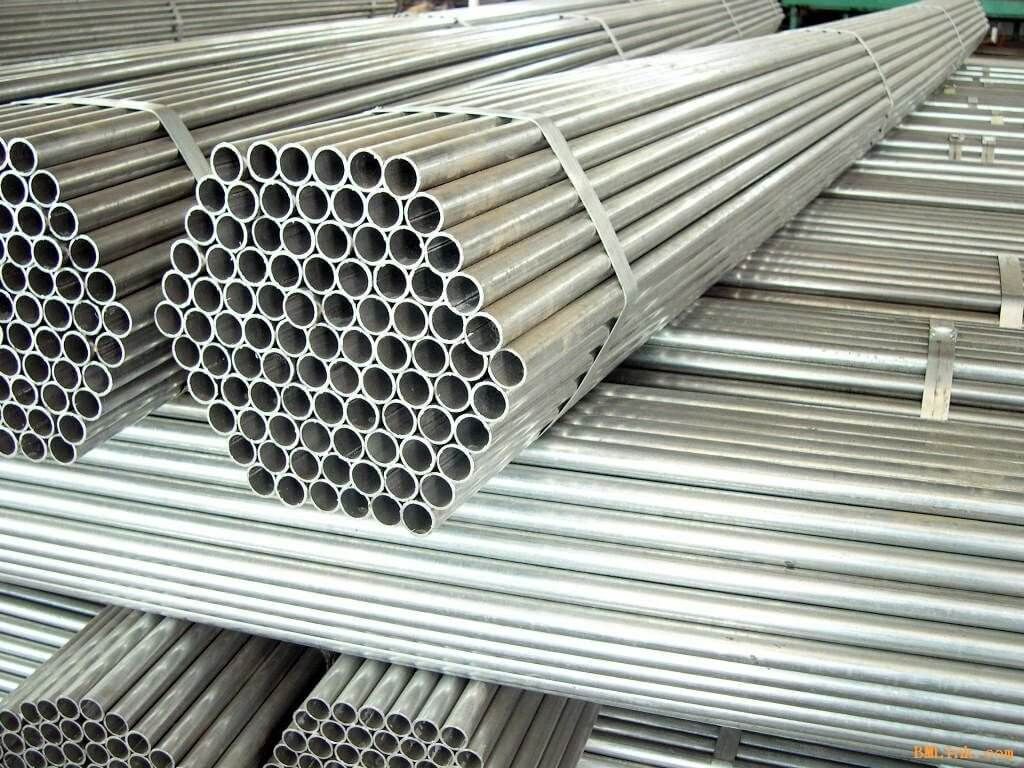
For contractors, distributors, and purchasing managers, understanding these standards helps identify suitable scaffolding tubes, compare suppliers, and ensure that purchased materials meet project requirements. This article explains the key differences between EN39 and BS1139, including dimensions, material properties, manufacturing, HDG surface treatment, and procurement considerations.
1. What Is EN39 Scaffold Tube Standard?
EN39 is a European standard specifically associated with steel tubes used in tube-and-coupler scaffolding. It specifies requirements for steel scaffold tubes, including dimensions, material properties, manufacturing characteristics, and identification.
Standard EN39 scaffold tubes generally have an outside diameter of 48.3 mm, making them compatible with commonly used scaffolding couplers designed for this tube size.
EN39 includes different tube types, commonly Type 3 and Type 4, which are associated with different nominal wall thicknesses:
Type 3: 3.2 mm nominal wall thickness.
Type 4: 4.0 mm nominal wall thickness.
The tube type is important because wall thickness influences weight, cross-sectional properties, and structural performance. Buyers should confirm the exact tube type required by their scaffold design instead of assuming that all EN39 tubes have identical specifications.
EN39 also provides requirements for material properties, manufacturing, corrosion protection designation, and tube marking, helping buyers identify products and verify their specifications.
2. What Is British Standard 1139?
British Standard 1139, commonly known as BS1139, is a series of British standards associated with metal scaffolding equipment.
Historically, BS1139-1.1:1990 specified steel tubes used in tubular scaffolding and falsework. The traditional specification covered tubes with a 48.3 mm outside diameter and a nominal 4.0 mm wall thickness.
The BS1139 series also covers other scaffolding-related products through different parts and sections, including couplers, fittings, accessories, and certain prefabricated scaffolding equipment.
Therefore, BS1139 is broader than a tube-only standard. When suppliers advertise BS1139 scaffolding materials, buyers should clarify exactly which part of the standard applies to the product being purchased.
3. Key Differences Between EN39 and BS1139
Although EN39 and BS1139 are often mentioned together in the scaffolding industry, their differences can be understood through several important aspects.
Scope: EN39 specifically addresses steel scaffold tubes. BS1139 is a broader series of British standard scaffolding specifications covering different types of scaffolding equipment.
Wall thickness: EN39 commonly specifies Type 3 tubes at 3.2 mm and Type 4 tubes at 4.0 mm. Traditional BS1139-1.1 steel tube specifications focused on 4.0 mm nominal wall thickness.
Standard development: EN39 is a European standard, while BS1139 originated as a British standard series. Historical versions of BS1139-1.1 technically aligned with the Type 4 requirements of the European scaffold tube specification.
Identification and marking: Both standards emphasize product identification and specification traceability. Marking helps buyers and scaffolders distinguish tube types and verify product information.
Application: Both are associated with tube-and-coupler scaffolding and related temporary structures, but the actual suitability of a tube depends on its specification, structural design, and applicable local requirements.
4. Material Quality and Structural Performance
The performance of scaffolding tubes depends on more than the standard name. Steel grade, yield strength, tensile strength, wall thickness, tube diameter, manufacturing process, and welding quality all influence the finished product.
A 4.0 mm tube generally has a greater steel cross-sectional area than a 3.2 mm tube of the same outside diameter. However, structural capacity also depends on unsupported length, buckling, connections, bracing, and loading conditions.
Contractors should always use the appropriate tube specification for the designed scaffold configuration. A thinner tube should not automatically be substituted for a thicker tube without confirming the engineering requirements.
5. HDG Galvanized Scaffold Tubes
Corrosion protection is another important consideration when selecting scaffolding materials.
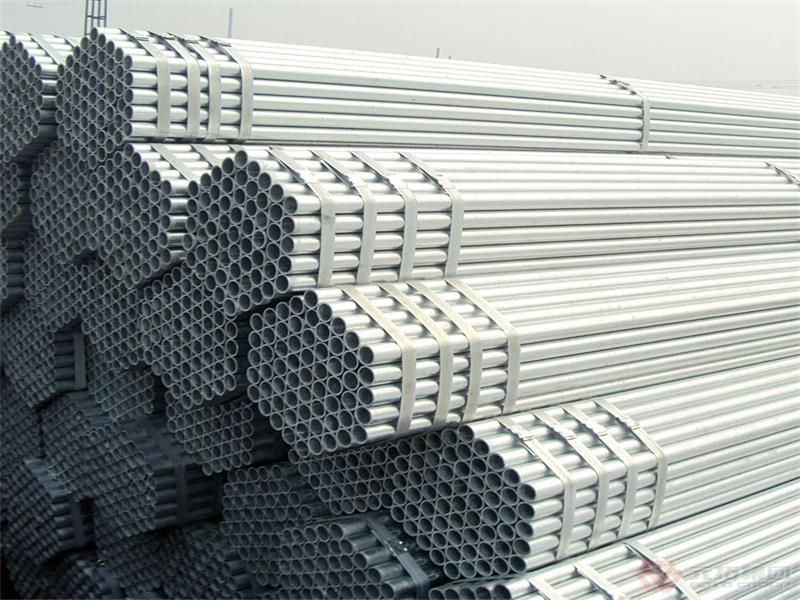
HDG (Hot-Dip Galvanized) scaffold tubes are coated with zinc to help protect steel against corrosion. The zinc layer provides a barrier against moisture and atmospheric exposure and can offer sacrificial protection if the coating is locally damaged.
HDG scaffolding tubes are particularly suitable for outdoor construction, infrastructure projects, scaffolding rental operations, and environments where equipment may be exposed to rain and humidity.
Buyers should evaluate coating thickness, surface uniformity, coating quality, and the manufacturer's galvanizing process. The designation of a tube standard alone does not guarantee identical corrosion-protection quality across all suppliers.
6. How to Choose Between EN39 and BS1139?
When purchasing scaffolding materials, contractors should consider the following factors:
Project specification: Confirm the standard and tube type required by the engineer, contractor, or local regulations.
Dimensions: Check outside diameter, wall thickness, length, and dimensional tolerances.
Material properties: Review steel grade, mechanical properties, and relevant material certificates.
Surface treatment: Determine whether black steel, painted steel, or HDG galvanized tubes are required.
Compatibility: Ensure the tubes are suitable for the intended couplers and scaffolding system.
Quality documentation: Request inspection reports, product markings, and compliance documents from the manufacturer.
Understanding these factors can help buyers avoid purchasing materials that do not match project requirements.
Why Choose ADTO Scaffolding Materials?
ADTO is a professional scaffolding and construction materials brand offering a range of products for construction, infrastructure, and industrial applications.
For buyers sourcing EN39 tubes, BS1139-related scaffolding materials, and HDG galvanized scaffold tubes, ADTO can be considered based on manufacturing capability, product specifications, quality control, competitive pricing, and export supply experience.
Working with an experienced manufacturer can also simplify procurement when buyers need scaffolding tubes, couplers, steel planks, ringlock components, and other related products from a coordinated supplier.
Before ordering, purchasers should confirm the exact standard edition, tube type, wall thickness, material requirements, galvanizing specification, and product documentation.
Conclusion
EN39 and BS1139 are closely related in the history of British and European scaffold tube specifications, but they are not identical in scope. EN39 focuses specifically on steel scaffold tubes, while BS1139 covers a wider range of scaffolding equipment through its different parts and sections.
For construction professionals, the most important considerations are the exact product specification, dimensions, steel quality, structural requirements, corrosion protection, and compliance with the applicable project standards.
By carefully evaluating these factors and choosing a reliable supplier such as ADTO, buyers can source suitable scaffolding materials and improve procurement confidence for construction projects worldwide.

