










Scaffold systems that look similar on a construction site can be quite different behind the scenes. Ringlock, Cuplock and Kwikstage are three widely used modular systems, and each one drives a distinct set of production choices — from raw-material selection and casting or fabrication methods, to finishing, testing and inventory strategies. Below is a buyer-oriented, practical look at how their manufacture typically differs and what those differences mean for cost, quality and lead times.
1. Component philosophy: cast parts vs. fabricated fittings
One of the clearest production distinctions is whether the system relies primarily on cast, machined fittings or on fabricated/welded components.
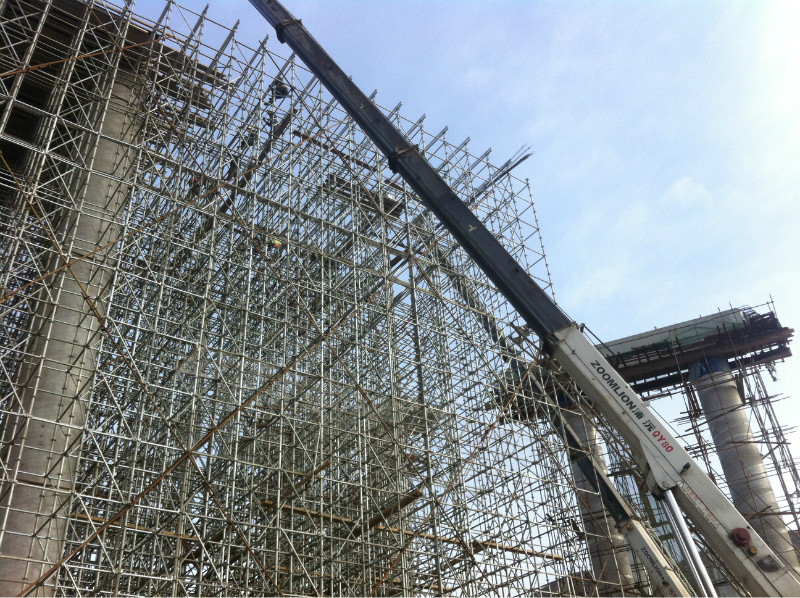
Cuplock historically uses a cup-style node. That node is often produced by ** casting** (or heavy stamping) to achieve the cup geometry in a single piece; the cups are then welded or mechanically fixed to the vertical standard. Casting allows a robust, repeatable geometry but requires foundry tooling, pattern making and heat-treatment considerations.

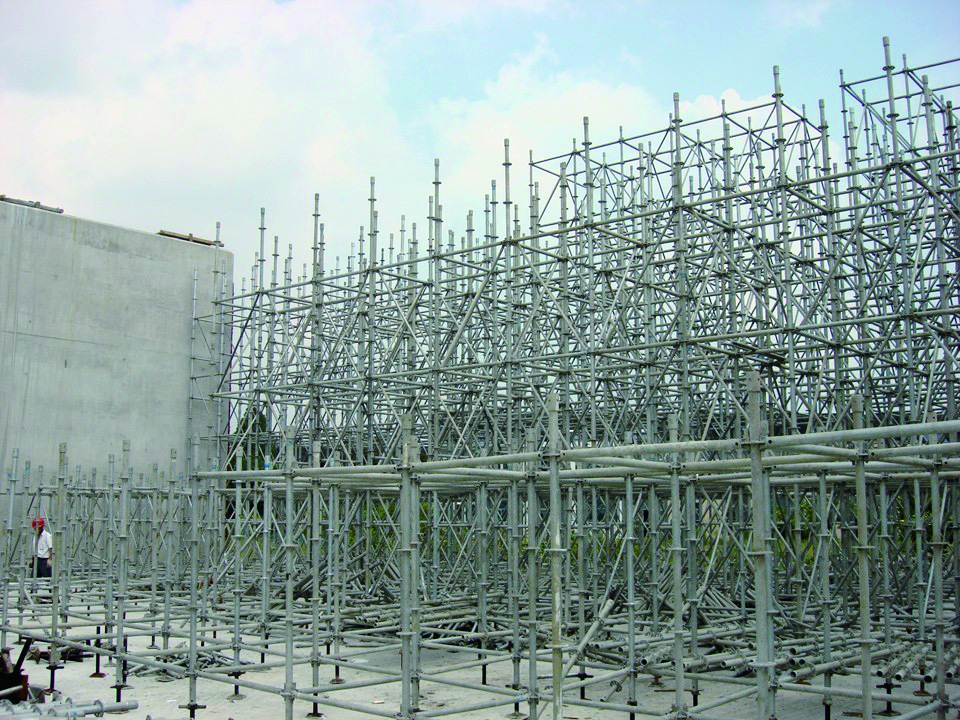
Ringlock is built around a rosette (disc) welded to the standard. The rosette can be stamped or machined from plate and welded to tube. Other components (ledgers, transoms) are generally fabricated and precision-machined rather than cast. Fabrication and welding lines dominate production.
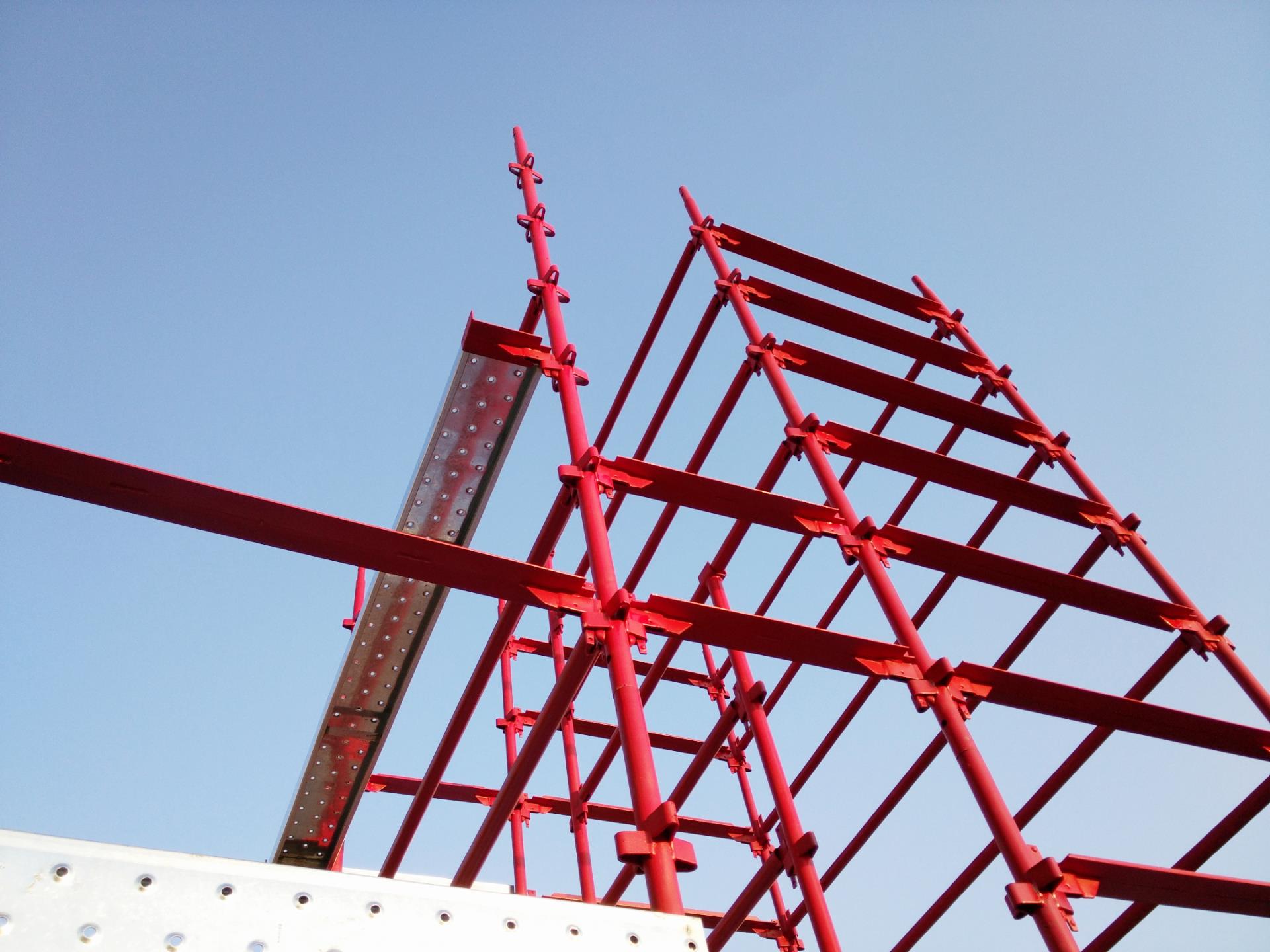
Kwikstage-style systems (the common British system often referred to generically as Kwikstage) tend to use fabricated fittings and short sleeves or wedge connections that are either welded or pressed into place. They rely less on complex cast nodes and more on simple, repeatable weld operations.
For the buyer this matters: cast parts require higher upfront tooling cost but give a single-piece strength and repeatability; fabricated systems are more flexible to retool and generally cheaper to iterate.
2. Machining, stamping and tolerances
Tolerance control and finishing differ by system:
Ringlock requires precise location and flatness of the rosette so the wedge/locking mechanism engages reliably in multiple directions. That leads manufacturers to adopt CNC machining, precision stamping for rosettes and close inspection of weld placement.
Cuplock cups must seat correctly and have consistent wall thickness; foundries need pattern control and post-cast machining for critical faces. Because the cup geometry is integral, there’s an emphasis on dimensional checks and heat-treatment to avoid distortion.
Kwikstage parts are typically simpler and produced with sheet forming, presswork and routine machining, but the system depends on consistent tube ovality and weld quality, so inspection focuses on weld penetration and fit.
In practice, Ringlock production lines invest more in precision tooling and inspection jigs than basic Kwikstage lines.
3. Welding, assembly and automation
The balance between manual labour and automation is different:
Fabrication-heavy systems (Ringlock, Kwikstage) lend themselves to automated welding cells, automated cut-and-end-preparation for tubes, and fixture-based assembly. This reduces variability and increases throughput.
Cuplock production may require more manual finishing after casting (grinding, dressing, welding cups to tubes), making skilled labour more prominent.
For buyers, systems produced in automated lines often show tighter tolerances and more consistent protective finishes.
4. Surface treatment and corrosion protection
All three systems commonly use mild or structural steel, so surface protection is a critical shared step — but process choices vary:
Hot-dip galvanizing is the industry standard for long life and corrosion resistance and is used across all three systems. However, cast cups (Cuplock) and stamped rosettes (Ringlock) can show different visual and thickness outcomes after galvanizing, so post-galvanize inspection and minor rework are more common for cast items.
Powder coating or paint is sometimes applied for colour coding or temporary protection, more common in light-duty or rental markets.
A buyer should look for consistent galvanize thickness reports and ISO/EN compliance certificates.
5. Quality control and testing
Different failure modes require different QC emphases:
Ringlock QC focuses on rosette flatness, hole positioning and weld integrity — because multiple ledgers engage the same node.
Cuplock QC concentrates on cup geometry, material integrity of castings (no porosity), and weld strength where cups attach to standards.
Kwikstage QC commonly targets tube straightness, weld quality and the fitment accuracy of wedges/spigots.
Manufacturers will use destructive testing for sample joints, hardness checks for castings and regular dimensional audits.
6. Supply chain & lead time implications
Because casting tooling is expensive, Cuplock producers typically commit to higher initial batches; lead times for new parts (new patterns) are longer. Ringlock and Kwikstage manufacturers can be more responsive because they rely on flexible fabrication lines and standard tube inventories.
Conclusion — What buyers should take away
From a procurement perspective, the production differences translate directly into cost structure, flexibility and risk:
If you require high volume and durability, cast-node Cuplock products may be attractive but expect higher tooling costs and potentially longer lead times.
If you want precision, modularity and easier scalability, Ringlock’s fabricated-and-machined approach typically yields tighter tolerances and predictable performance.
If you prioritise lower upfront cost and fast availability, Kwikstage-style fabricated systems are commonly the most flexible.

